



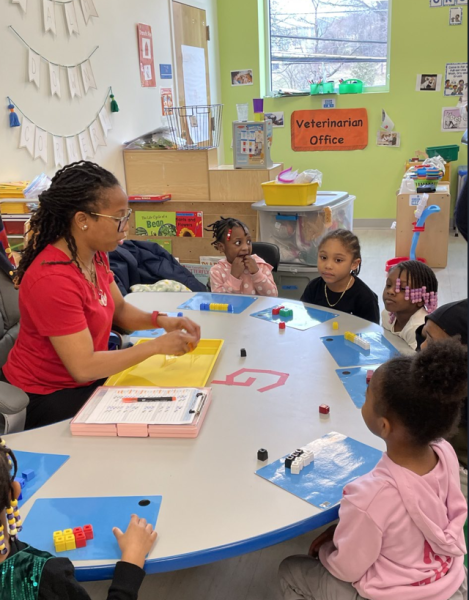
As part of the citywide effort to strengthen math instruction and align implementation with the Math Task Force (MTF) recommendations, the Office of the State Superintendent of Education (OSSE) convened the Instructional Resources Working Group (IRWG). Comprised of task force members and math experts with deep instructional expertise, the IRWG developed practical, high-quality tools to support local education agencies (LEAs) and school leaders in implementing the recommendations. In 2025, the IRWG released three key instructional resources designed to help leaders review, adopt, and implement evidence-based math practices across schools. Together, these resources offer clear guidance, aligned expectations, and actionable tools to support strong math instruction for all K-12 students.
The three resources include:
• The High-Quality Instructional Materials (HQIM) Toolkit
• The Evidence-Based Math Guide
• The OSSE e² Learning Walk Tool and Companion Resource
Point of Contact
Noelani Mussman, Program Manager, Academic Acceleration
[email protected]
- High-Quality Instructional Materials (HQIM) Toolkit: This instructional resource supports LEAs in reviewing, selecting, and implementing core curricular materials for math. The toolkit includes guiding questions to assist reviewers in determining what evidence to collect when using the rubric. It also includes links to additional guidance on the materials adoption process.
- Evidence-Based Math Guide: This resource establishes a baseline of expectations for K-12 core (Tier 1) math instruction in DC. School leaders can use this document to understand the importance of an evidenced-based math education, how DC defines evidence-based math instruction, and key components of a daily core math block. This resource provides leaders with a starting point to identify areas for further professional learning and serves as a reference for determining where classroom educators may need additional structure or support.
- OSSE e² Learning Walk Tool and Companion Resource: This resource provides a nonevaluative way for school teams to observe classrooms and gather a snapshot of grade-level, affirming, and asset-based math instruction in action. Grounded in the Student Achievement Partners’ e² Instructional Practice Framework™, the tool highlights key instructional practices and student experiences across four core areas. A companion guide offers considerations to ensure all learners, including students with disabilities, can access grade-level content.
- These tools are designed to be used throughout the year.